Conservation & Community-Based Ecotourism
Est. 2026, Bali-Based Initiative of SUMECO (Sumatra Ecoproject)
Est. 2026, Bali-Based Initiative of SUMECO (Sumatra Ecoproject)
A free conversation to understand you, your interests and how you like to travel.
We discover a direction that interests you, whether it’s culture, nature, adventure, or something in between.
We collaborate with locals and independent initiatives to create an authentic, respectful and meaningful experience.
We accompany you throughout, adapting to the moment and making space for the unexpected.

WHAT IS BALI ECOTOURISM?
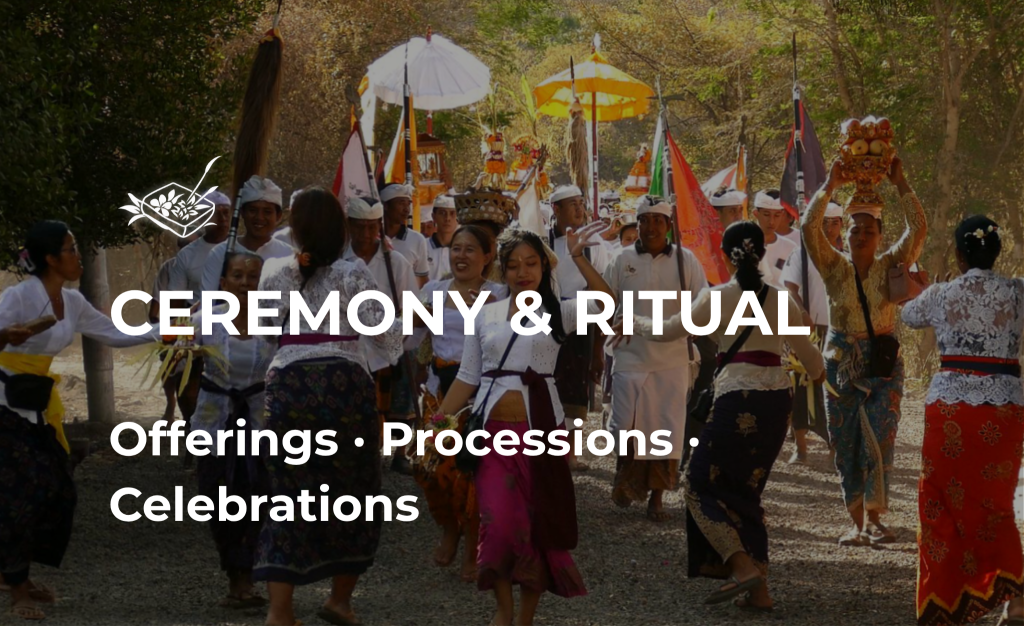
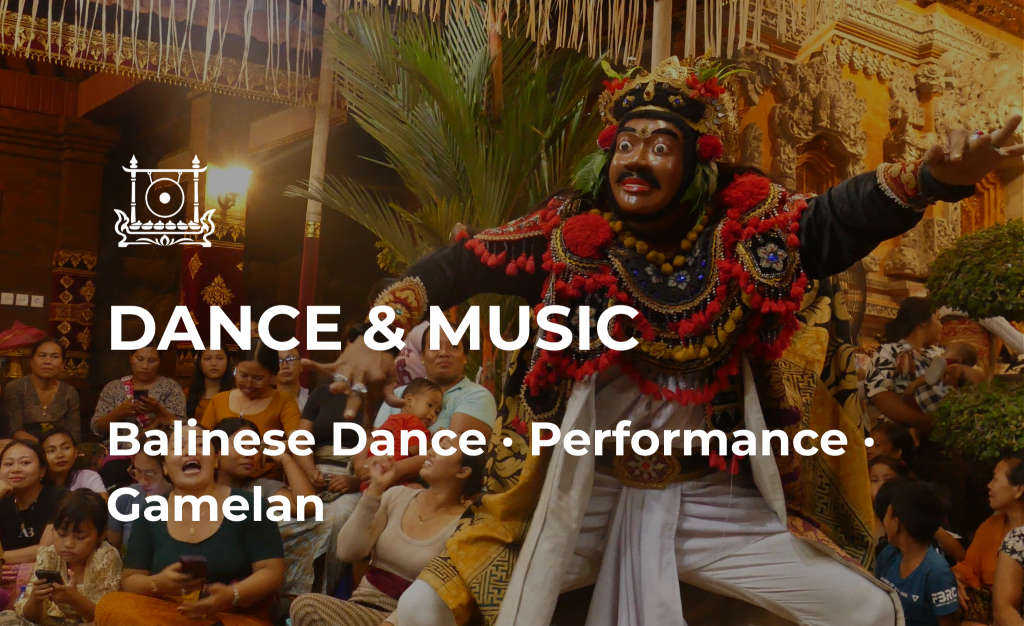
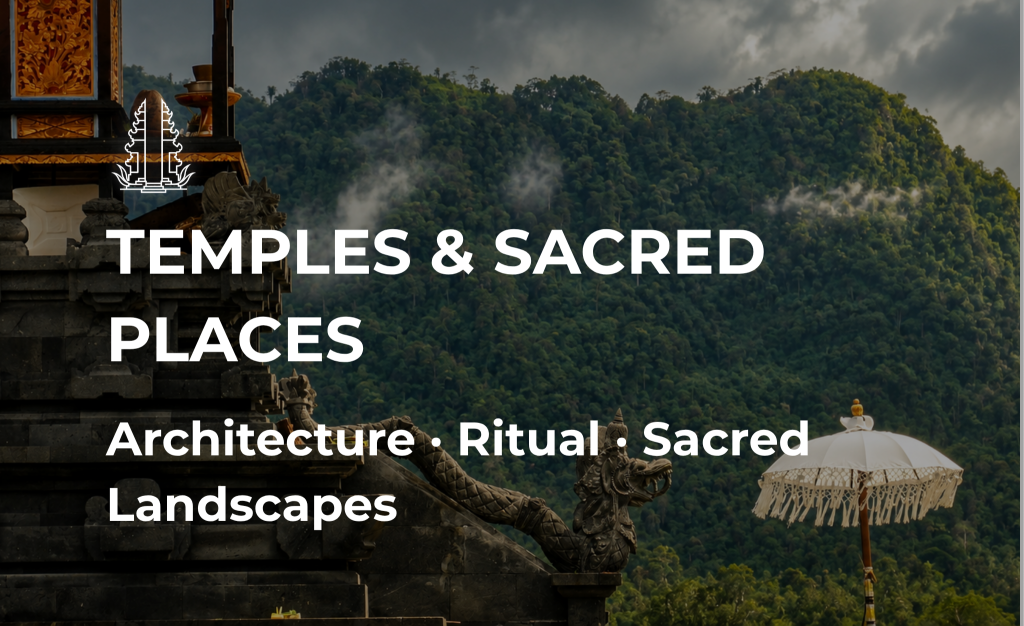
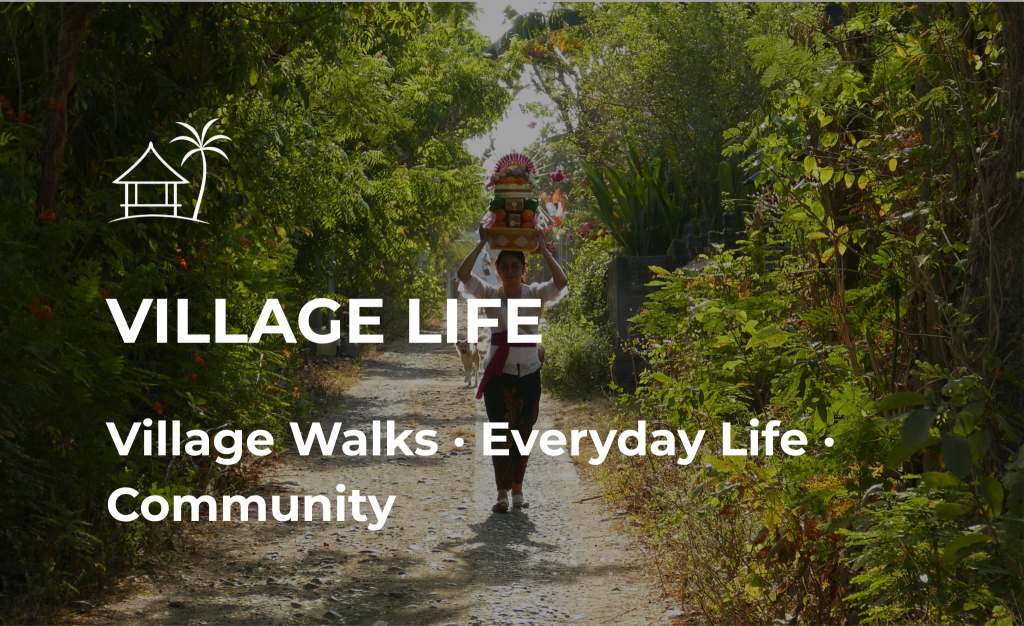
Bali Ecotourism grew from spending time on the ground, paying attention, and building genuine relationships with the people and environments that make the island what it is. We build deeply immersive experiences that connect nature, culture, conservation, and movement through the landscape itself.
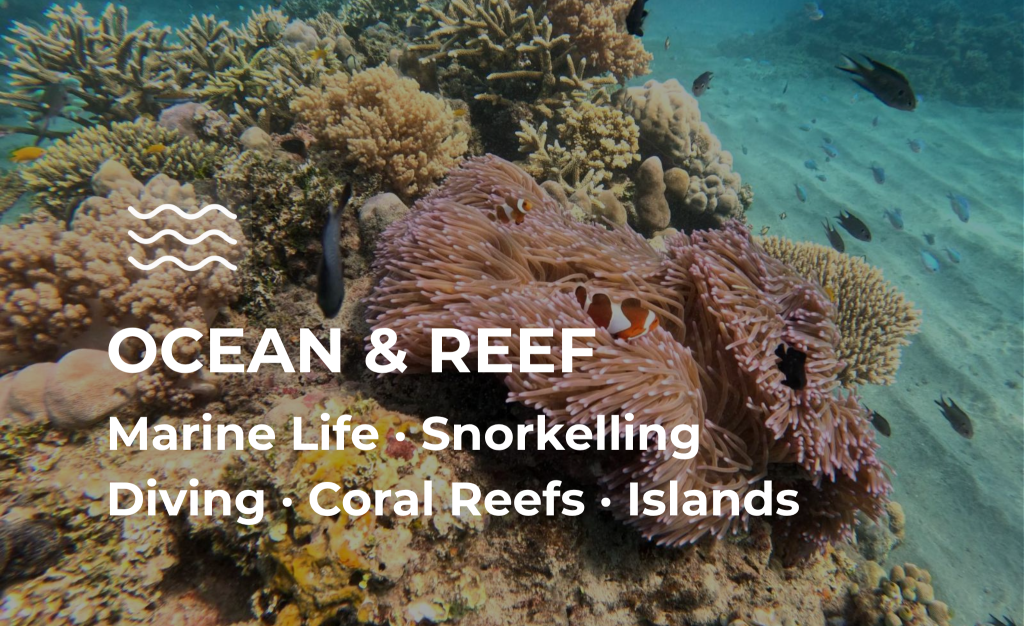
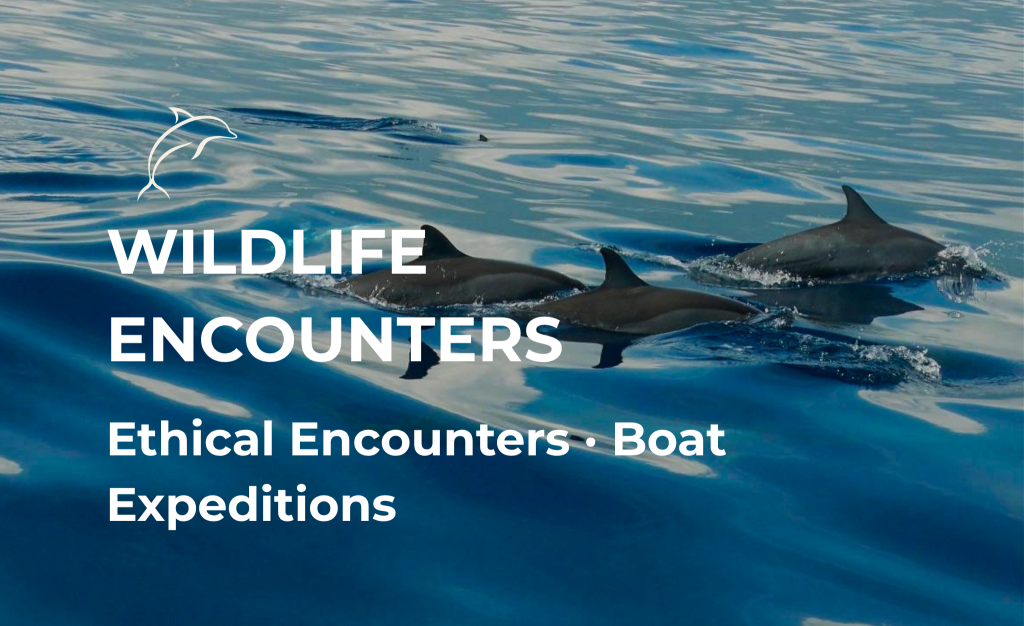
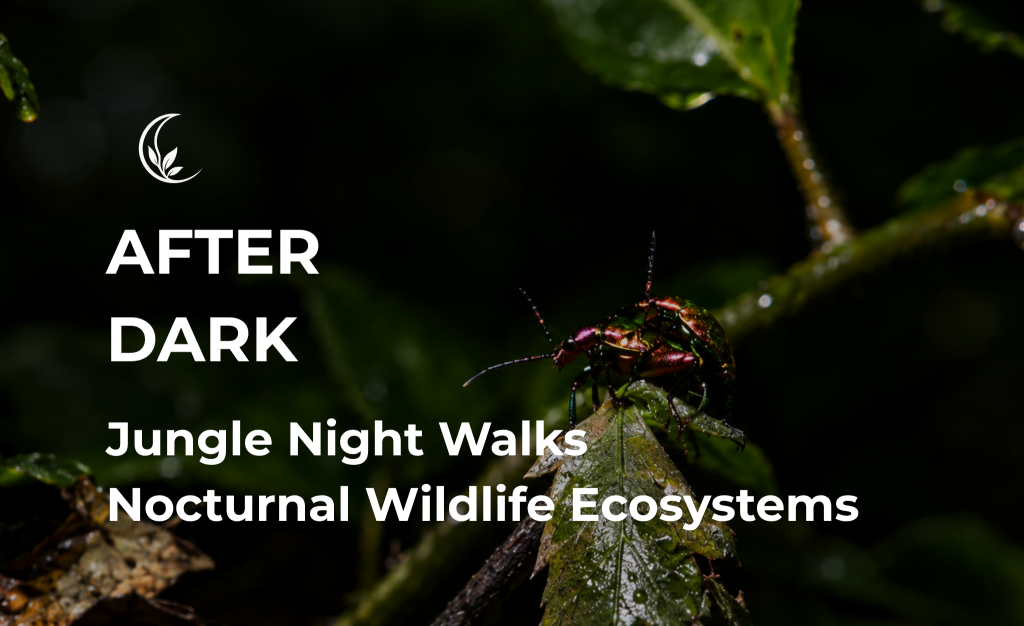
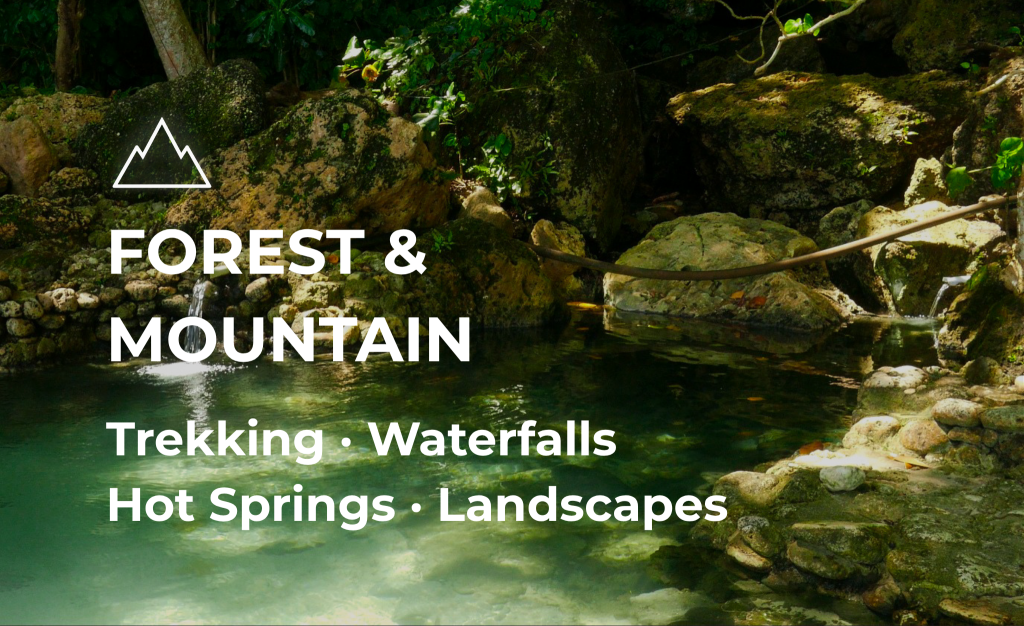
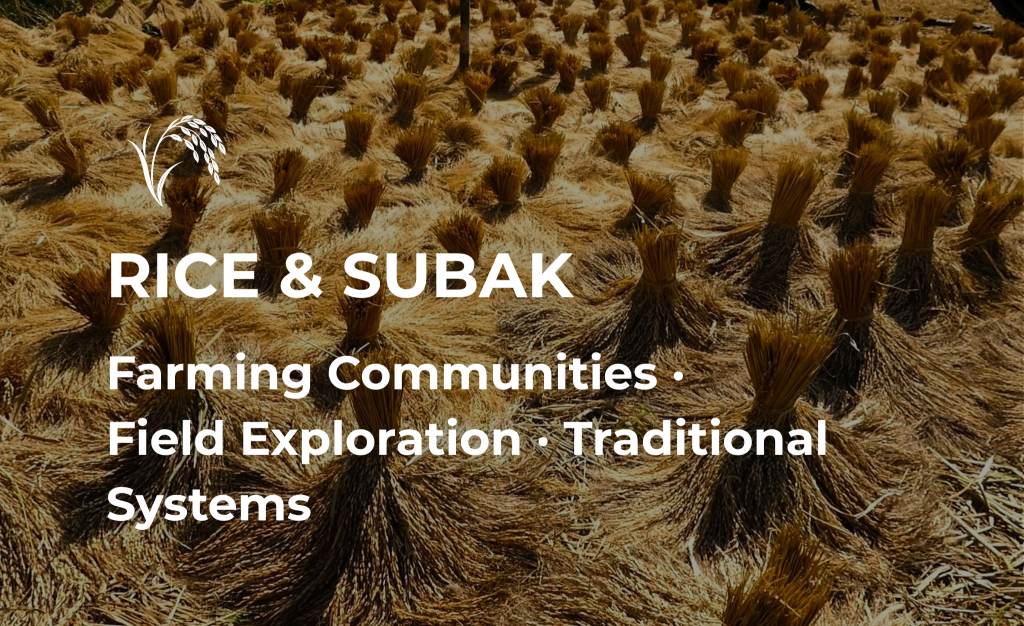
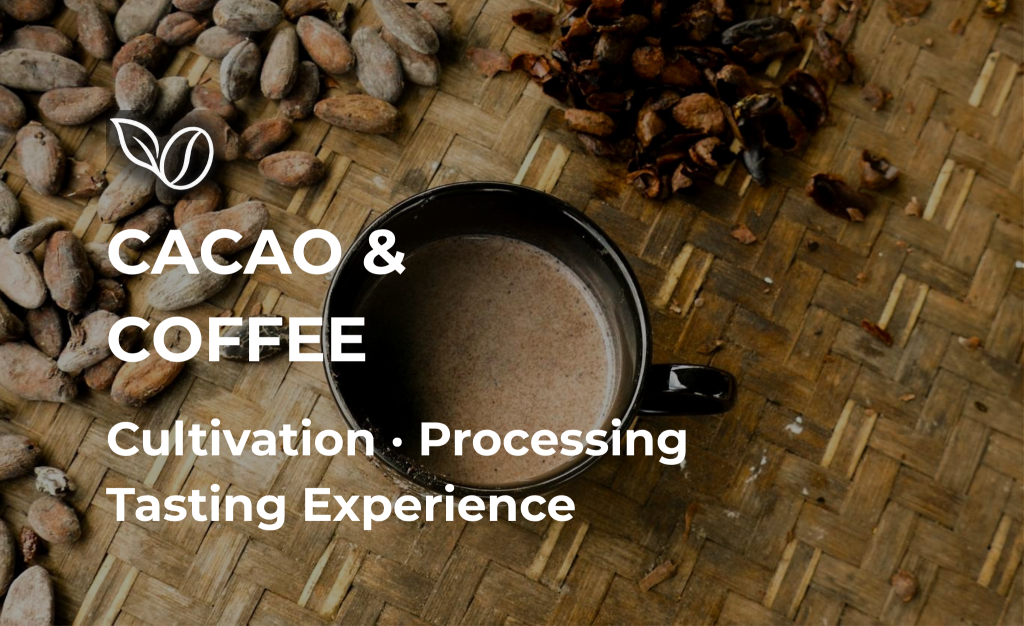
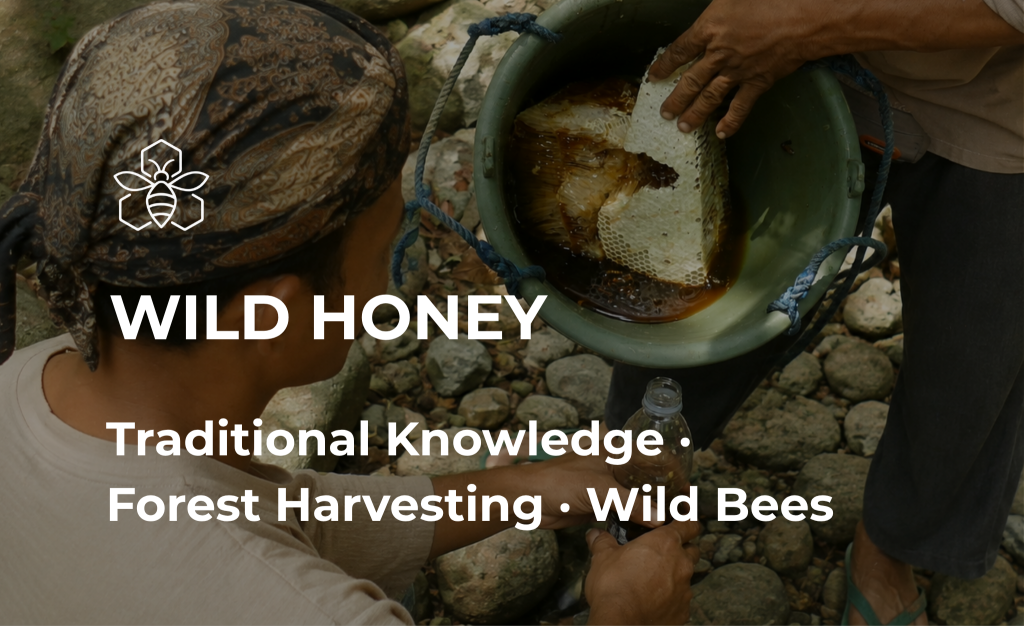
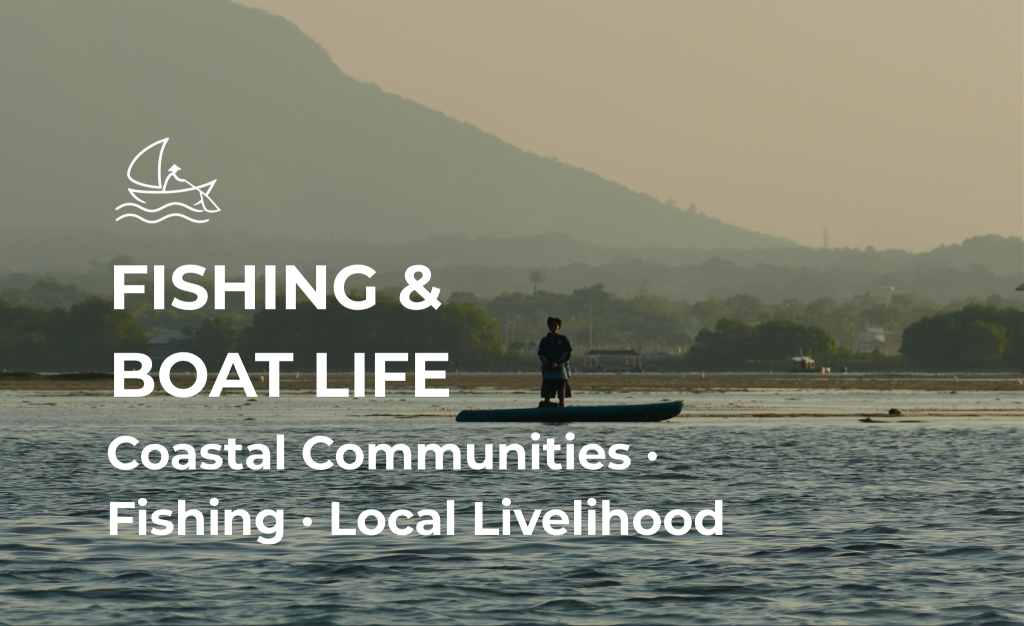
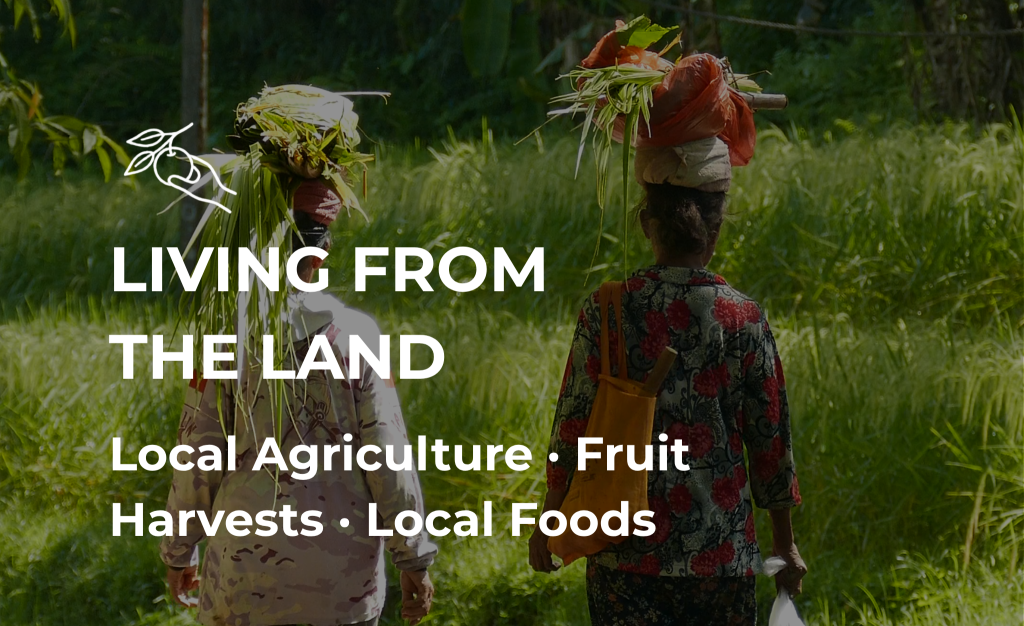
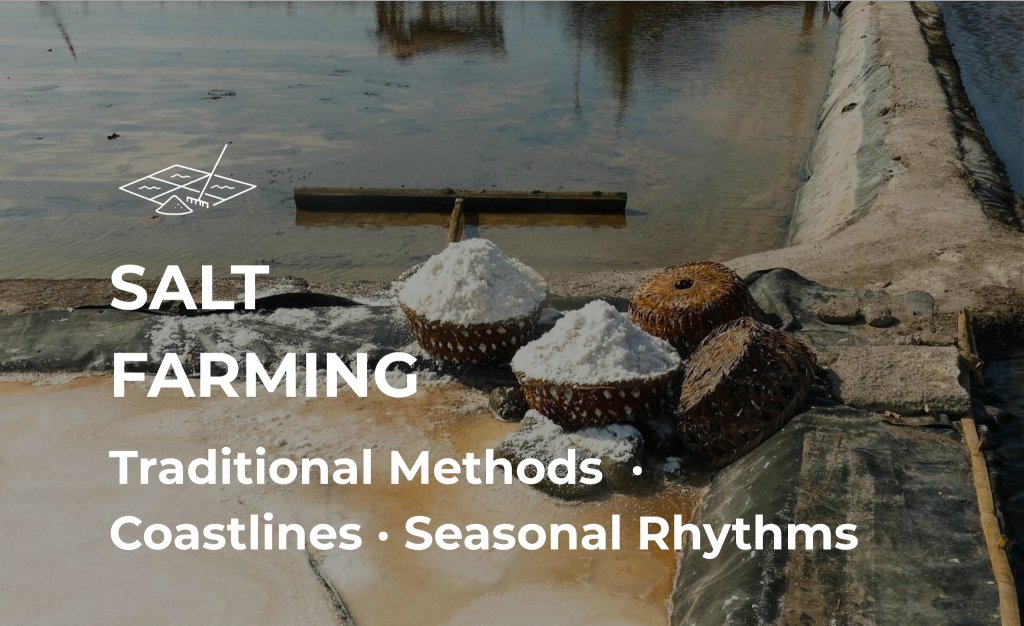
A journey might lead through forests and mountains, rice fields and traditional livelihoods, villages and ceremonies, boat expeditions and coral reefs, conservation initiatives, or ethical encounters with wildlife. But the experience is never simply about ticking places off a list.
Our intention is to help create the right conditions for people to encounter Bali more closely: to immerse in the land, understand the lives connected to it, share in traditions and everyday moments, and experience the natural world with respect.
Bali is changing rapidly. Mass development and surface-level tourism are reshaping the island, while its ecosystems, wildlife, traditions, and ways of life continue to exist alongside these changes.
We believe experiencing a place and supporting its future can go hand in hand.
By working with local people and independent initiatives, Bali Ecotourism creates experiences that contribute directly to the communities, livelihoods and relationships that allow conservation and sustainability to endure.
Bali is still in the process of becoming, and its future is shaped by how people choose to engage with its land, communities, and ecosystems today.
We are here to reveal,
and protect.
WHO IS BALI ECOTOURISM FOR?
There is no particular kind of traveller we are looking for.
You may be coming to Bali for the first time, or you may have spent years exploring the island.
You may be drawn to forests, mountains, rice fields, traditional livelihoods, wildlife ecology, culture, everyday life, conservation, the coast, or simply because you feel there is more to encounter on the island than what you have seen so far.
You might want a quiet day moving slowly through a landscape, or you might want to go deeper into the forest, higher into the mountains, out onto the water, into the night…beyond the usual routes.
You may be an experienced hiker, adventurer, naturalist, birder or photographer. Or you may simply be curious about where a path leads.
You may be travelling alone, with a partner, with friends, or with your family.
At Bali Ecotourism our journeys can adapt to different ages, abilities, interests, time and budgets.
The question is less about what you have done before, and more about what you want to experience now.
How far do you want to go?
Or perhaps how close to what is already familiar?
There is no single way to experience Bali.
We listen to your curiosity, and build from there.
If this way of experiencing Bali speaks to you, start a conversation with us.
HOW DOES BALI ECOTOURISM WORK?
At Bali Ecotourism, our journeys begin with a conversation.
Not a fixed itinerary or standardized package.
We want to understand what draws you to Bali, how you like to travel, how much time you have, who you are travelling with, your pace and abilities, and what you are curious to explore.
Our knowledge of the island, the landscapes we return to, and the relationships we have built over time all become part of the possibilities we can offer.
A journey can change with the season, the weather, wildlife activity, local knowledge, cultural moments, the landscape, or something that catches your attention along the way.
We explore options with you, bringing your interests and our knowledge into the same conversation, while leaving room for what emerges along the way.
How far you go, how wild you want it to be, how slowly you wish to pace yourself, and where you want to venture are all part of the conversation.
We work with a trusted network of drivers, accommodation hosts, local guides and grass-roots initiatives to bring each journey together.
An itinerary might begin with a particular interest, but it does not have to remain within one category. Wildlife can lead into landscape, landscape into livelihood, or a fascination with food into the people, traditions and environments behind it.
The result is an accompanied journey with the breadth and flexibility to experience Bali beyond what a predetermined package can offer.
What interests you is where we begin.
Where it leads is something we can discover together.
What grounds this collaboration is not only experience but also a working model in which conservation is directly sustained through ecotourism itself. This brings a level of on-the-ground knowledge and lived practice into how these experiences are shaped and guided.
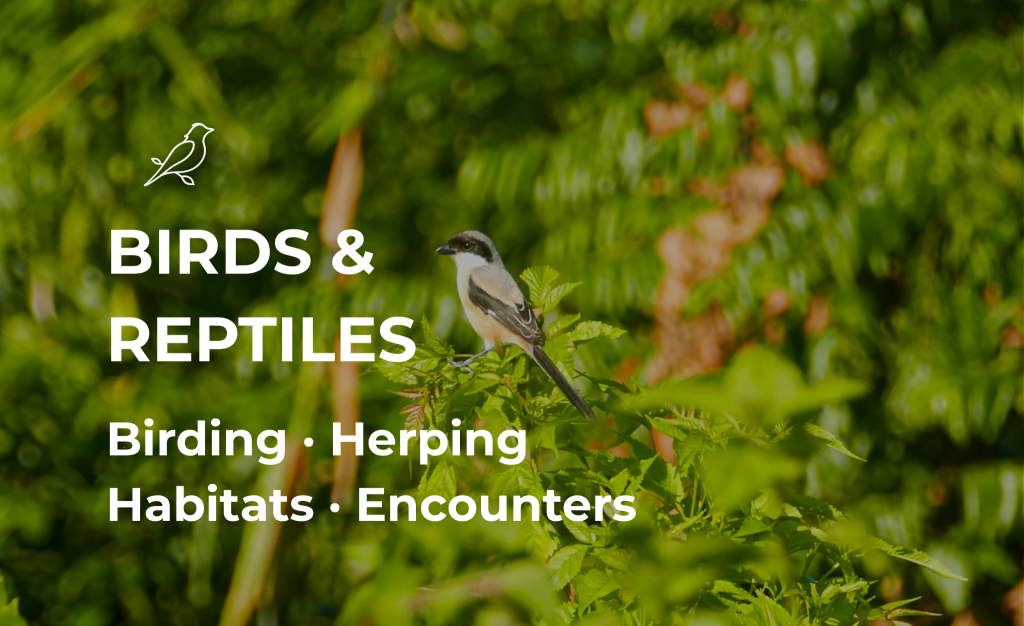
Ethical Birdwatching Tour in Bali.
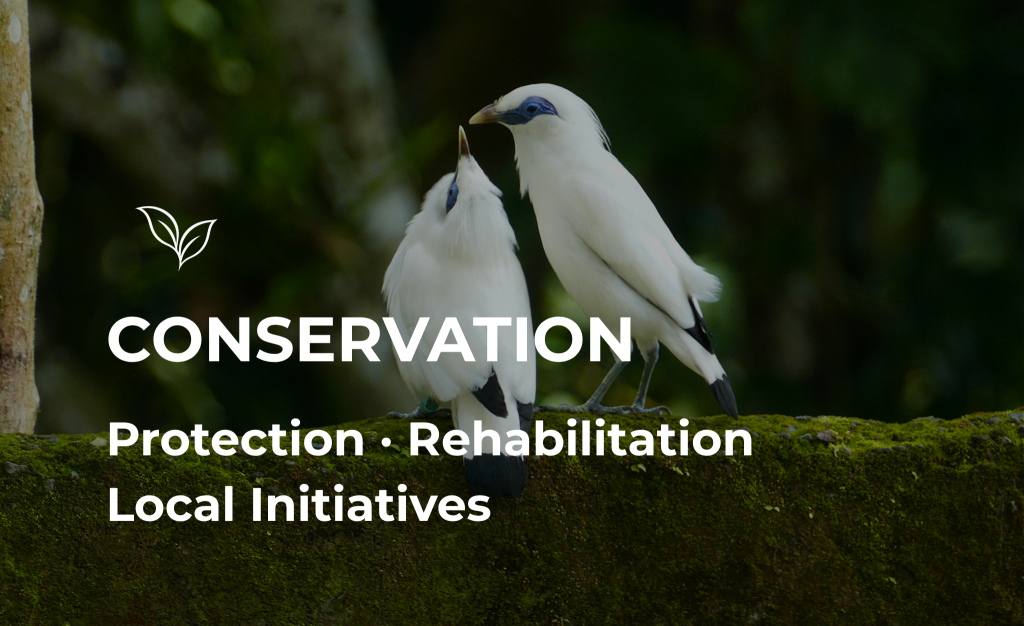
Discover Bali’s incredible birdlife through responsible and conservation-focused wildlife experiences. Explore tropical forests, wetlands, rice terraces, and national parks with expert local guides while respecting birds in their natural habitat. Ethical birdwatching supports conservation, protects fragile ecosystems, and creates sustainable income for local communities. From the critically endangered Bali Starling to colorful kingfishers, barbets, and sunbirds, Bali offers unforgettable birding opportunities for nature lovers and photographers alike.
With Bali Ecotourism, we promote low-impact birdwatching tours that prioritize wildlife welfare, habitat preservation, and authentic ecotravel experiences across Bali’s most biodiverse landscapes. Responsible birdwatchers avoid getting too close to nests, never feed wild birds, and respect the surrounding environment.
Bali’s Birdwatching and Its Bird Conservation.
Bali is well-known for its abundant biodiversity and amazing birds in addition to its beaches, temples, and rice terraces. Hundreds of bird species, including rare and endangered birds unique to Indonesia, can be found on the island, which is home to mangrove wetlands, tropical forests, mountain landscapes, and coastal ecosystems. In addition to providing meaningful experiences for nature enthusiasts and ecotourists, ethical birdwatching is crucial in promoting bird survival.
Birds are essential to healthy ecosystems. They help pollinate plants, spread seeds, control insect populations, and maintain the balance of nature. Unfortunately, many bird species in Indonesia face serious threats from habitat destruction, illegal wildlife trade, deforestation, unethical, and unsustainable tourism practices.
The island faces real pressure from overtourism: traffic congestion, seasonal water shortages, plastic pollution on beaches, wildlife habitat loss, and strain on sacred sites. Ecotourism offers a response by traveling in ways that minimize harm while actively supporting conservation and local livelihoods. According to local sustainability frameworks, this rests on three pillars:
Wildlife in Bali faces a mix of environmental, economic, and tourism-related pressures. The island still has important biodiversity, including coral reefs, sea turtles, monkeys, birds, and remaining forest ecosystems, but several ongoing problems threaten wildlife survival.
The future of Bali depends on balancing tourism growth with environmental and cultural preservation. Bali Ecotourism exists to support forms of travel that create long-term benefits for the island’s landscapes, wildlife, communities, and cultural heritage rather than short-term gain. By connecting visitors with meaningful experiences, ethical wildlife observation, conservation initiatives, marine ecology, forest exploration, and local knowledge, Bali Ecotourism seeks to increase visibility, funnel economy and support for the people, projects, and ecosystems helping shape Bali’s future. Bali Ecotourism was founded to provide a positive conservation impact on the island of Bali directly and openly.
Bali offers opportunities to experience tropical forests, coral reefs, mangrove ecosystems, birdlife, marine life, wildlife, traditional farming systems, and communities whose lives remain closely connected to the natural world. Responsible ecotourism can contribute to habitat protection, environmental education, scientific research, conservation funding, community-based conservation initiatives, and long-term stewardship of natural environments. A portion of Bali Ecotourism profits will also support SUMECO (Sumatra Ecoproject), a grassroots conservation initiative working to protect the biodiversity of the Leuser Ecosystem in Sumatra, one of Indonesia’s most important remaining rainforest ecosystems.
As tourism continues to grow, Bali faces increasing challenges, including habitat loss, coastal degradation, plastic pollution, ecosystem fragmentation, and growing pressure on local communities and cultural traditions. We believe tourism carries a responsibility to understand these realities rather than ignore them. By supporting conservation-focused experiences, ethical wildlife encounters, local initiatives, and people working to protect the places they depend upon, tourism can become part of sustaining Bali’s natural and cultural landscapes rather than contributing to their decline. SUMECO, through its Bali Ecotourism initiative, will focus on its conservation efforts in Bali.